
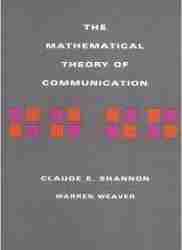
Claude Shannon Bio
Claude Elwood Shannon was an American mathematician, electrical engineer, computer scientist, cryptographer and inventor known as the “father of information theory” and as the “father of the Information Age”
Harpers Magazine – The Origins of Speech
HarpersMagazine-The Origins of Speech
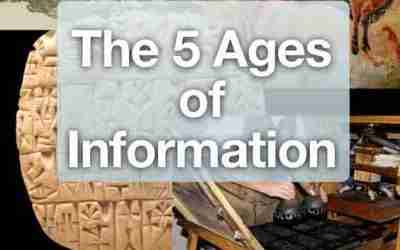
History of Information Technologies
History of Information Technologies In an iBook I wrote, “The 5 Ages of Information,” I break information into 5 distinct ages. In the iBook I lay out a timeline for the changes. It is critical to note the acceleration of changes over history. The first...
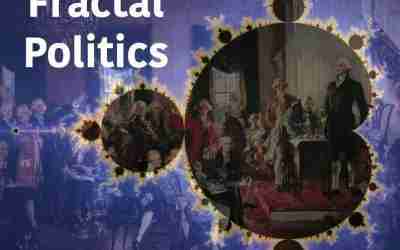
A Stable Political System can be achieved using Fractal Thinking
This lesson suggests that Fractal Thinking is a new answer to the age-old question: How can we improve our “political” systems?” This lesson suggests that A Stable Political System can be achieved using Fractal Thinking. Fractal Thinking says that individuals can create a stable system “spontaneously” without a Government or Church Central Authority. Updated Feb. 2024
How you can protect yourself from misinformation
Protect yourself from misinformation? Throughout history, many smart people have fallen for misinformation. It is often hard to protect yourself from misinformation. As a result, few actually try. However, while it is often hard to protect yourself from...

Conservative Approach to Public Speaking
Conservative Approach to Public Speaking A post caught my eye The New Bible for Public Speaking. It's from townhall.com, a very conservative media outlet. And while the author mentions Trump in this piece, it is still important. The take-aways from this post are:...

The Cognitive Science of Free Will
The Cognitive Science of Free Will How to make the best decisions is one of the "Key Questions" the @lantis Learning Community is interested in. This lesson is focused on how the brain constrains our decision making by fooling us about Free Will One of the main...
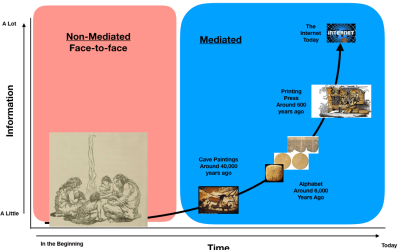
History of Writing
This lesson on the History of Writing is intended to help the community establish a baseline understanding of the communication forces that influence our personal understanding of the world around us. By better understanding the history writing, we can better understand the natural laws that influence our decision-making today.
Network Neuroscience
The new discipline of network neuroscience yields a picture of how mental activity arises from carefully orchestrated interactions among different brain areas. Networks pervade our lives. Every day we use intricate networks of roads, railways, maritime routes and...

Ritual Model of Communication
The Ritual Model of communication suggests we communicate as a way to maintain our communities, not just to pass information. The thinking suggests that connecting with others is “sometimes” more important than what we might connect about. Updated Dec. 2023